Author: webinkadminmaster

  • Struggling for Air: Essential Insights on Asthma

    Struggling for Air: Essential Insights on Asthma

    Struggling for Air: Essential Insights on Asthma

    AsthmaBy Mary Curtis, Respiratory Therapy Manager


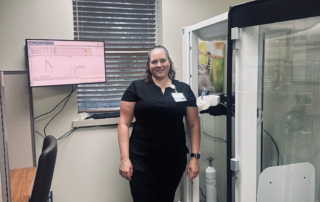
    May 5th marked World Asthma Day, an excellent opportunity to raise awareness about asthma! At Clearwater Valley Health, we have recently upgraded our pulmonary function machine to a cutting-edge system from Jaeger called the Vyntus Body Plethysmograph. After a week of training with the technician, we are fully equipped to help diagnose asthma, COPD, and other lung conditions.

    Here are some important points to consider:

    • Not all wheezing (a whistling sound when breathing) is asthma.
    • There are various types of asthma, each requiring different treatments.
    • Pulmonary Function Testing is the only definitive method to diagnose asthma and COPD.
    • Using your inhaler 30 minutes before exercise or known triggers can reduce the severity of shortness of breath.
    • Failing to treat asthma symptoms can permanently alter your airway anatomy.
    • Incorrect inhaler use may result in not receiving the full benefits.
    • All asthma patients should have an Asthma Action Plan and a Peak Flow Meter.
    • A patient’s peak flows may decrease before they show symptoms of a cold.
    • All allergic asthma patients should maintain a “clean space” in their home, such as a bedroom with minimized allergens. This includes reducing dust and opting for blinds over curtains, which are easier to clean.
    • Not all allergies are asthma.
    • Asthma symptoms may be as simple as a persistent cough.

    Need assistance with asthma control, have questions, or require a pulmonary function test? Consult your primary care provider about scheduling a meeting with me! I have been a Certified Asthma Educator for 14 years and Certified in Pulmonary Function Testing for 9 years, both of which require additional training and testing. We look forward to seeing you soon and help you breathe easy!

  • How to best celebrate Mothers’ Day?  Know the symptoms that might just save A mom’s life

    How to best celebrate Mothers’ Day?  Know the symptoms that might just save A mom’s life

    How to best celebrate Mothers’ Day?  Know the symptoms that might just save A mom’s life

    By Kelly McGrath, MD


    We just celebrated Mother’s Day this past Sunday. In appreciation of moms everywhere, it is helpful to know about high blood pressure disorders of pregnancy. Because these are common, yet serious conditions for pregnant moms, those who recently delivered and their babies, knowing the danger signs of these conditions may just save a mom or her baby’s life.
    In the US, high blood pressure disorders in pregnancy affect about 1 in 12 pregnancies which can result in serious harms including death of the mother and baby.  They also can result in complications including strokes, seizures and organ failure. The incidence of these disorders has nearly tripled in the past 30 years, and accounts for approximately 7% of all maternal deaths as well as being a frequent cause of preterm births.

    Clearwater Valley Health and St. Mary’s Health are part of the Idaho Perinatal Quality Collaborative to improve outcomes for moms and babies. This is a state-wide effort to improve care around care around the common conditions that impact maternal and newborn mortality in our state.  Improving outcomes related to blood pressure disorders in pregnancy is a central effort.  Through collaboration, education and measuring outcomes, this coalition is driving improvement in these pregnancy-related conditions.

    With proper recognition and treatment, complications of high blood pressure in pregnancy can usually be safely managed with good outcomes for the mother and baby.  Perhaps the greatest risk is not recognizing the condition before there are serious consequences.  Since there can be lots of new symptoms during pregnancy and in the weeks after delivery, it is easy for moms to just assume these things are “normal.” For that reason, it is helpful for everyone on the healthcare team, as well as patients, families and friends, to be aware of the signs and symptoms of this condition.

    The most common sign is the new onset of high blood pressure after 20 weeks during pregnancy. At least two blood pressure readings, measured at least 4 hours apart, which are greater than 140/90 is a core sign.  When this is accompanied any symptoms including persistent severe headache, visual changes, or abdominal pain, this may indicate that the patient has preeclampsia – or what used to be known as “toxemia.”  Another concerning symptom includes new swelling of the face, legs or hands, typically accompanied by an abrupt weight gain. New shortness of breath may also be an indicator of preeclampsia. Development of any of these symptoms during pregnancy, or within 6 weeks after delivery, needs prompt medical evaluation.

    If the blood pressure is severely elevated, typically with blood pressures greater than 160/110, this represents a serious obstetric emergency requiring immediate emergency care.

    Those at highest risk for hypertensive disorders of pregnancy include women who have had this condition in a prior pregnancy, who have diabetes, kidney disease or autoimmune disorders, or who are carrying twins or triplets. Moms with a family history of preeclampsia, maternal age over age 35 years, obesity or who are African American are also at increased risk.

    If you are pregnant, the best way to stay safe is to establish care early in the pregnancy and attend all medical appointments including those after delivery. If you develop any of the warning signs mentioned above – even up to 6 weeks after delivery, seek immediate care. It is not unusual that friends or family have saved a patient’s life by having awareness of these symptoms and encouraging moms to seek prompt care.  Let’s celebrate Mother’s Day all year long by being more aware of this condition to keep our moms and their babies safe!

  • Struggling to Sleep? Local Sleep Center Relaunch Brings New Services and Expertise

    Struggling to Sleep? Local Sleep Center Relaunch Brings New Services and Expertise

    Struggling to Sleep? Local Sleep Center Relaunch Brings New Services and Expertise

    Mary Curtis & Nicole GrahamBy Mary Curtis, RRT, AE-C, CPFT, COPD Educator


    Do you have trouble falling asleep—or staying asleep? Do you wake up feeling exhausted, even after seven or eight hours of rest? If so, you’re not alone. Sleep issues affect millions of Americans and can have a significant impact on overall health and quality of life.

    St. Mary’s Health and Clearwater Valley Health are excited to announce the relaunch of their Sleep Center, bringing expanded services, updated equipment, and nationally recognized accreditation to the local community.

    For the past four years, the Sleep Center has partnered with Rural Health Solutions to provide sleep studies and high‑quality care to patients throughout the region. The program has now reached an important milestone: accreditation by the American Academy of Sleep Medicine (AASM). This designation reflects a commitment to the highest standards of patient care, safety, and clinical excellence.

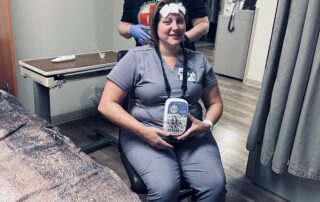
    The Sleep Center continues to collaborate with Dr. Elchin Zeynalov and has invested in new, state‑of‑the‑art diagnostic equipment to better serve patients. Recently, sleep staff from both facilities completed hands‑on training with specialists from Nihon Kohden, ensuring they are fully prepared to use the updated technology. Staff members even participated in test studies themselves to build confidence and ensure patient comfort throughout the process.

    Meet the Sleep Center Team

    Mary Curtis, Manager of Cardiopulmonary and Sleep Services, has been with Clearwater Valley Health for 20 years, serving as both a respiratory therapist and department manager.
    “Great sleep helps you do more in your life without feeling drained all the time,” Curtis said. “We’re excited to relaunch the sleep lab with state‑of‑the‑art equipment that allows us to diagnose disorders such as obstructive sleep apnea, central sleep apnea, and restless leg syndrome, among others.”

    Nicole Graham joined the team after initially working with Rural Health Solutions. A respiratory therapist for 17 years and a Navy veteran of nine years, Graham holds additional credentials as a Sleep Disorder Specialist, which requires advanced training and testing. Her experience and expertise significantly strengthen the Sleep Center’s daytime clinical operations.

    Trey Taylor began his career at Clearwater Valley Health in 2023 as a unit clerk. Known for his friendly personality and ability to put patients at ease, Taylor transitioned into sleep services after completing extensive online training and in‑person instruction with sleep technicians at Clearwater Valley Health and Tri‑State Hospital. He now brings professionalism—and a sense of humor—to patients three nights a week.

    Why Sleep Matters

    Quality sleep is essential to long‑term health. Patients with untreated or poorly controlled obstructive sleep apnea (OSA) face higher risks for:

    • Heart attack and heart rhythm disorders such as atrial fibrillation (A‑fib)
    • Insulin resistance and type 2 diabetes
    • Cognitive challenges, including brain fog, memory issues, poor concentration, mood changes, and depression

    Sleep also plays a vital role in daily functioning:

    • Brain cleanup: During sleep, the brain removes toxins that accumulate during the day
    • REM sleep: Rapid Eye Movement (REM) sleep accounts for 20–25% of total sleep and is when most dreaming occurs
    • Signs of good sleep quality: Falling asleep within 10–15 minutes, waking feeling rested, and minimal nighttime awakenings

    Healthy Sleep Habits

    While good sleep hygiene won’t treat sleep apnea, it can improve sleep quality for many people. Helpful tips include:

    • Going to bed and waking up at the same time each day
    • Avoiding screens 30–60 minutes before bedtime
    • Keeping the bedroom dark, quiet, and cool
    • Limiting large meals, caffeine, and alcohol within three hours of bedtime
    • Avoiding vigorous exercise within three hours of bedtime

    If you suspect a sleep disorder or are struggling with poor sleep, talk with your primary care provider. The team at St. Mary’s Health and Clearwater Valley Health looks forward to helping community members rest easier and live healthier lives.

  • Learning Never Stops

    Learning Never Stops

    Learning Never Stops

    Colleen Sholar, DO_edited (2)By Colleen Sholar, MD

    Clearwater Valley Health strives to be a leader in rural healthcare. Providing care in a rural setting brings unique challenges, but it also offers meaningful opportunities for growth and innovation. One of the ways we stay current with the rapidly evolving field of medicine is through a strong commitment to teaching and participation in research.

    Many of our staff and community members have been involved in teaching over the years. We regularly host medical students, physician assistant (PA) students, and family medicine residents, and we have now trained four rural family medicine physicians at CVH. Welcoming learners into our clinical setting keeps us engaged, sharp, and aligned with evolving standards of care. Teaching benefits everyone involved—after all, we are all learners at some point—and we hope patients recognize that by receiving care here, they are also helping to train the next generation of healthcare professionals.

    In partnership with the University of Washington, our community also has opportunities to contribute to academic research aimed at improving medical care. Currently, CVH serves as the rural site for a study through the Department of Psychiatry and Behavioral Sciences examining the role of mindfulness in managing chronic pain among individuals with a history of trauma. This study allows our staff to apply an innovative, brief mindfulness-based intervention with the goal of improving chronic pain outcomes without the use of medication. A second study site in Boise is evaluating whether there are differences in outcomes between rural and urban settings.

    Another research opportunity available to community members focuses on the experience of living with heart failure. This study involves a series of questionnaires for individuals with heart failure, whether their ejection fraction has recovered or remains low. Heart disease is a common condition, and insights from those living with it can help healthcare systems better understand where support and resources are most needed.

    Studies such as these provide our staff with access to new knowledge and treatment approaches while offering community members the opportunity to participate in innovative care options at no cost, close to home.

    Learning is a lifelong process, and we proudly embrace ongoing education, teaching, and research to help Clearwater Valley Health continue to lead in rural healthcare.

  • Cardiac and Pulmonary Rehabilitation

    Cardiac and Pulmonary Rehabilitation

    Cardiac and Pulmonary Rehabilitation

    Ann Lima, MDBy Ann Lima, MD


    Cardiac and pulmonary rehabilitation programs are structured, medically supervised interventions that offer profound benefits for patients recovering from heart and lung conditions. Though distinct in focus, both share a core philosophy: that guided exercise, education, and support can dramatically improve outcomes beyond what medication alone can achieve.

    Both programs systematically rebuild endurance and strength that illness erodes. Cardiac rehab helps patients recovering from heart attacks, bypass or valve surgery, or heart failure regain cardiovascular fitness through progressive exercise training, reducing the risk of future cardiac events by up to 35%. Pulmonary rehab, designed for conditions like COPD, chronic bronchitis, and emphysema improves breathing efficiency and exercise tolerance, enabling patients to perform daily activities with less breathlessness and fatigue.

    Our team has been thrilled by the transformation of our patients during their rehabilitation journey, noting the improved quality of life our graduates experience. Serious heart or lung illness frequently triggers depression and anxiety, which in turn worsen physical outcomes. Both of our programs incorporate psychological support, helping patients manage fear, grief over lost function, and the psychological burden of chronic disease. Participants consistently report improved mood, greater confidence, and a stronger sense of control over their health. A cornerstone of both programs is teaching patients to understand their condition – recognizing warning signs, managing medications, optimizing nutrition, and quitting smoking. This education transforms passive patients into active participants in their own recovery.

    The evidence for both programs is compelling. Cardiac rehabilitation is associated with significant reductions in all-cause mortality and cardiovascular-related hospitalizations. Similarly, pulmonary rehab reduces flares and hospital readmissions in COPD patients. These programs represent some of the most cost-effective interventions in chronic disease care. If you believe you or someone you know would benefit from these programs, bring it up to your healthcare provider and join our growing rehab family at Clearwater Valley Health.


  • Spring Cleaning

    Spring Cleaning

    Spring Cleaning

    Yadi Hernandez, LMSWBy Yadi Hernandez, Behavioral Health Consultant, Clearwater Valley Health

    Spring has arrived, which is great for both your physical and mental health. This is a great opportunity to work on spring cleaning for both your physical space and your mental health. After the long winter months your mind can feel cluttered, causing overwhelming thoughts, increasing anxiety and depression. This may make it harder for you to focus, concentrate, and feel energy. For many of us, we are beginning to feel better after our battle with seasonal depression.

    A good way to start decluttering your mental health is by practicing and prioritizing self-care. Refocusing on nutrition, healthy habits, and exercise are good starting points. Take 15 minutes a day to focus on mindfulness, positive affirmations, and/or gratitude statements. This will help declutter negative and unhealthy thoughts that are taking up space in your mind. Another good way is to declutter our digital life. Set boundaries with how often you are on social media or watching television. Listening to negative topics constantly is not good for your mental health and takes away your energy.

    Now that the sun is out, using Nature Therapy (Ecotherapy) is a great way to take advantage of our weather to keep our body moving and declutter our minds. Nature therapy has been proven to help reduce stress, anxiety, and depression. Remember to listen to your body and mind. Start by making small goals or picking one small task to accomplish and focusing on outdoor activities or hobbies such as gardening, taking a walk, and/or riding your bike. The goal with spring cleaning is to allow for a fresh start by letting go of the old to allow space for the new. Remember to enjoy this time of year.

  • Labor and Delivery Care at Clearwater Valley Health

    Labor and Delivery Care at Clearwater Valley Health

    Labor and Delivery Care at Clearwater Valley Health

    CVH OB Team_2026
    Pictured (L-R) are several members of the CVH OB Nursing Team: Stephanie May, Kim Stinson, Tyler Boltinghouse, and Jessica Garland.

    By Kim Stinson, RN

    Have you ever wondered who you might meet when you come to us for your labor and delivery care?

    Hi! I’m Kim Stinson, the OB Clinical Coordinator here at Clearwater Valley Health. I’ve had the privilege of being part of this amazing organization since 2008 and have worked as a labor and delivery nurse since 2015. Over the years, my colleagues and I have had the joy of welcoming many new babies into our community. It’s truly an honor to be part of your story—whether we’re celebrating your newest arrival or simply answering questions along the way.

    At Clearwater Valley Health, our goal is to make your experience joyful, supportive, and centered around the highest quality of care.

    Our OB nursing team—Jessica Garland, Stephanie May, Korrin Archer, Tyler Boltinghouse, and myself—is dedicated to providing compassionate, personalized care throughout your pregnancy journey. From your first visit to delivery day and beyond, we want you to feel confident, informed, and genuinely cared for every step of the way.

    We also work alongside wonderful providers who are here to support you through preconception planning, prenatal care, and postpartum recovery. They’re happy to talk with you about natural delivery options, personalized birth plans, pain management choices, and any of those “what if” questions that naturally arise.

    If you’d like to learn more about our services, have pregnancy-related questions, or want to schedule a tour of our facility, feel free to email us at NurseKnowledge@kh.org or call (208) 476-4555.

    We also love hearing your ideas for future article topics—so if there’s something you’d like us to cover, please reach out!

    We look forward to caring for you and your growing family. Let us know how we can help.

  • Colorectal Cancer Awareness Month: Why Early Detection Matters

    Colorectal Cancer Awareness Month: Why Early Detection Matters

    Colorectal Cancer Awareness Month: Why Early Detection Matters

    Sue Kangas, PABy Sue Kangas, PA


    March is Colorectal Cancer Awareness Month; it is one of the most preventable yet deadly cancers affecting many Americans today.  Colorectal Cancer has become an urgent public health concern as data shows there’s been a significant rise in cases among younger adults.   The American Cancer Society now estimates that 158,850 new cases and 55,230 deaths are expected for 2026.

    Colorectal cancer was traditionally considered affecting older adults, but it’s increasingly impacting our younger populations.  The American College of Gastroenterology reports that it is now the leading cause of cancer deaths in Americans under the age of 50.  More then half of new diagnoses occur in adults younger than age 65 and early onset cases are found in people under 50.  Colorectal Cancer continues to climb across all racial and ethnic groups.

    Fortunately, colorectal cancer is one of the few cancers that can be prevented with timely and routine screening.  Screening detects precancerous polyps that are removed that are responsible for colon cancer.  Not all polyps are precancerous, but screening is the only method available for detection.  The Centers for Disease Control emphasize that all adults age 45 and older undergo regular screening, whether a person has symptoms or a family history of colon cancer.  The CDC reports that one in three Americans remain behind on screening.

    Not only age, family history, genetic diseases, Crohn’s disease, Ulcerative Colitis increase risk.  Lifestyle factors increase risk.  A diet high in red or processed meats, and low high fiber foods from fresh fruits, vegetables, whole grains, beans, legumes, nuts and seeds increase risk.  Being overweight or obese raises risk by 30% more than normal weight individuals.  Lack of regular exercise, smoking, alcohol and being a type 2 diabetic increased risk.

    If you’re due for screening, reach out to your primary care provider and get scheduled. Even though colonoscopies are the ideal way to be screened there are other options such as at home testing kits.  Don’t delay, screening may save your life.


  • 5 Myths about Diabetes and Nutrition (2 Part Series)

    5 Myths about Diabetes and Nutrition (2 Part Series)

    5 Myths about Diabetes and Nutrition (2 Part Series)

    Clint-Cullins,-RDBy Clint Cullins, RDN, LDN, Licensed & Registered, Dietitian Nutritionist

    Part II

    4) I need to count carbs

    Managing diabetes often feels overwhelming—especially when it comes to food. One of the most common recommendations people hear is: “You need to count your carbs.” But is carbohydrate counting truly necessary for everyone with diabetes? The answer depends on the type of diabetes, treatment plan, and individual goals.

    Carbohydrates have the most direct impact on blood glucose levels. When you eat foods containing carbs—like bread, rice, fruit, milk, or sweets—your body breaks them down into glucose. For people with diabetes, managing that rise in blood sugar is critical.

    Carb Counting for Type 1 Diabetes

    For people with Type 1 diabetes, carb counting is often essential. Since the body produces little to no insulin, individuals typically use insulin injections or an insulin pump.

    To dose insulin accurately:

    • They calculate the grams of carbohydrates in a meal.
    • They apply an insulin-to-carb ratio (for example, 1 unit of insulin per 10 grams of carbs).
    • They adjust for current blood glucose levels.

    Without carb counting, matching insulin to food intake becomes much harder and can increase the risk of high or low blood sugar. For this group, carb counting is usually not optional—it’s a core tool.

    Carb Counting for Type 2 Diabetes

    For people with Type 2 diabetes, carb counting may be helpful—but it isn’t always necessary.

    Many individuals with Type 2 diabetes:

    • Still produce insulin.
    • Manage their condition with lifestyle changes and/or oral medications.
    • May not require precise insulin dosing.

    In these cases, strict carb counting may not be required. Instead, approaches such as:

    • Portion control
    • The plate method (half vegetables, quarter protein, quarter whole grains)
    • Reducing refined carbohydrates
    • Focusing on fiber-rich foods

    can effectively improve blood sugar control without detailed tracking.

    However, for people with Type 2 diabetes who use mealtime insulin, carb counting often becomes more important. For those who choose to manage their diabetes without medications, carb counting is often helpful at ensuring that specific carb goals are achieved throughout the day.


    5) I can’t have my favorite foods

    Many people think that having diabetes means you must stop eating all your favorite foods. I am here to set the record straight by saying “That is not true!”.

    People with diabetes can still enjoy foods they love. The key is balance, not giving up everything.

    Diabetes means your body has trouble using sugar. Because of this, it is important to watch how much and how often you eat certain foods. But no food is completely “off limits.”

    For example, you can still have a cookie, a slice of pizza, or a small dessert. You just may need to:

    • Eat smaller portions
    • Not eat these foods every day
    • Balance them with healthier foods like vegetables and protein
    • Try alternative recipes that are more diabetes friendly

    It is also helpful to pair “treat” foods with healthier choices. For example, if you want a slice of birthday cake, you can have a small serving with your meal instead of after. Try to make sure the meal is lower in high carb foods and choose fiber or protein-rich options to help your body handle the sugar better.

    Living with diabetes does not mean life without joy. Food is part of our culture, can be comforting, used to express love, a source of bonding, and overall should be enjoyed. With mindful choices and thoughtful decision making, people with diabetes can still enjoy a wide variety of foods.

    Remember: You don’t have to give up your favorite foods. You just might need to enjoy them in a more healthful way.

    Living with diabetes can feel overwhelming, but support and connection make a real difference. By learning, sharing experiences, and staying informed, you can build confidence and take control of your health.

    Join our upcoming diabetes support group meetings to ask questions, share tips, and connect with others who understand. Whether you’re newly diagnosed or experienced, your voice matters.

    Our next meetings at the Orofino clinic are April 6 and May 4 at 4pm—we hope to see you there!

  • 5 Myths about Diabetes and Nutrition (2 Part Series)

    5 Myths about Diabetes and Nutrition (2 Part Series)

    Clint-Cullins,-RDBy Clint Cullins, RDN, LDN, Licensed & Registered, Dietitian Nutritionist


    As a Registered Dietitian and Diabetes Educator I frequently work with patients who are frustrated with navigating the complexities of diabetes self-management.  Nutrition tends to be one of the more frustrating parts of managing this diagnosis due to conflicting information we receive from the healthcare industry, friends/family members with diabetes, social media, and other various sources.  The struggle with nutrition and diabetes is that there is not a “diabetes diet” or a “one size fits all” approach.  Nutrition science has evolved over the years and so has some of the nutrition recommendations for diabetes.  Unfortunately, some of the older nutrition recommendations have lingered and not evolved along with science.  My goal as a Registered Dietitian, Diabetes Educator and father of a child living with Type 1 Diabetes is to help individuals clear up some of the confusion around nutrition and diabetes so they can manage their chronic disease better without feeling so restricted in the process. Below are 3 myths about diabetes and nutrition. Stay tuned next week for 2 more myths!

    1) Avoid the “white” things

    White colored carbohydrates have long been blamed for blood sugar spikes, but experts say they are not inherently “bad” for people with diabetes. What matters most is portion size, meal composition, and overall eating patterns — not whether a carb is white or whole grain.

    While the American Diabetes Association encourages choosing nutrient-dense carbohydrates like whole grains, it does not call for eliminating refined grains entirely. Health guidance from agencies such as the Centers for Disease Control and Prevention emphasizes total carbohydrate intake and balanced meals vs. strict food bans.

    White carbs digest more quickly, but pairing them with protein, fiber, and healthy fats can slow glucose absorption. A moderate serving of white rice with vegetables and a lean protein, for example, affects blood sugar differently than rice eaten alone. Tools like glycemic load — which considers portion size — also show that small amounts of refined grains can fit into a diabetes-friendly eating plan.

    Individualized meal plans that consider medication, access to nutritious foods, affordability, activity level and other factors should be the priority for a successful diabetes eating pattern. Blood sugar responses vary from person to person, and many clinicians now focus on monitoring, balance, and sustainability rather than labeling foods as strictly “good” or “bad.”

    The takeaway: whole grains offer more fiber and nutrients, but white carbohydrates can still have a place in a well-managed, balanced diet for people with diabetes.


    2) Sugar is bad

    For years, people diagnosed with diabetes were told to avoid sugar completely. Today, experts say that’s not entirely necessary. Sugar can still be part of a diabetes-friendly diet—when consumed in moderation and carefully managed.

    The American Diabetes Association recognizes that sugar is a type of carbohydrate, and it’s the total amount of carbohydrates consumed—not just sugar alone—that affects blood glucose levels. This means a small dessert or sweet snack can fit into a meal plan if it’s balanced with other foods.

    For people with Type 1 diabetes or Type 2 diabetes, portion control is key. Pairing sugary foods with protein, fiber, or healthy fats can help slow spikes in blood sugar. Many individuals also use carbohydrate counting to “budget” sugar within their daily intake.

    The Centers for Disease Control and Prevention advises working with a healthcare provider to set personal blood sugar targets and understand how specific foods affect the body.

    Experts caution that sugary drinks—such as soda and sweetened juices—can raise blood sugar quickly and should be limited. Although sugar can impact blood sugar levels quickly, an occasional cookie, slice of cake, or small scoop of ice cream can be enjoyed with careful planning.

    The bottom line: People with diabetes don’t have to eliminate sugar entirely. Moderation, monitoring, and smart choices make it possible to enjoy sweets safely in moderation.


    3) I’m not allowed to have fruit

    Fruit has had a bit of an unfortunate reputation among people with diabetes. “Too sugary,” some say. “Off limits,” say others. But nutrition experts are setting the record straight: fruit isn’t the villain — it’s more like a misunderstood hero.

    Yes, fruit contains natural sugar. But unlike candy or soda, it comes wrapped in fiber, vitamins, minerals, and antioxidants. That fiber is the real game-changer. It slows digestion, helping to prevent dramatic blood sugar spikes and keeping energy levels steadier for longer.

    Take berries, for example. Strawberries, blueberries, and raspberries may be small, but they pack a nutritional punch. They’re loaded with antioxidants that help fight inflammation — a key concern for people managing diabetes. Apples and pears bring fiber to the table, while oranges and grapefruit add a boost of vitamin C and heart-friendly compounds.

    And that’s important, because diabetes isn’t just about blood sugar. Heart health and blood pressure matter too. Many fruits contain potassium, which supports healthy blood pressure levels. Swapping out a heavy dessert for a bowl of fresh fruit can also help with weight management — another win for blood sugar control.

    The trick? Keep it whole. Whole fruits digest more slowly than fruit juices, which can send blood sugar soaring. Pairing fruit with protein or healthy fats — think apple slices with peanut butter or berries with Greek yogurt — can make it even more blood-sugar friendly.