
Small-Town Care While Looking Out for Your Lungs
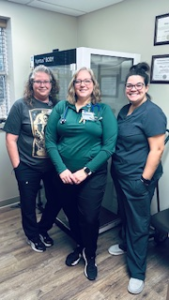 By Mary Curtis, Respiratory Therapy Manager
November is both National COPD Awareness Month and National Lung Cancer Awareness Month. As a Respiratory Therapist, I could talk for days about COPD and lung cancer screening, but let’s focus on a few key facts that could help you or someone you love.
Understanding COPD
COPD, or Chronic Obstructive Pulmonary Disease, is a progressive lung disease that makes it harder to breathe. Many people associate COPD with smoking, and while smoking is the leading cause, approximately 70-90% of cases are linked to smoking history. Other causes include long-term exposure to environmental pollutants, chemicals, dust, and industrial vapors.
Some individuals also have a genetic condition called Alpha-1 Antitrypsin Deficiency (Alpha-1). This condition reduces the body’s ability to protect lung tissue from damage and can also affect the liver. Unfortunately, many people don’t know they have Alpha-1, with an estimated 90% of cases remaining undiagnosed. The good news is that testing is simple, and many patients diagnosed with Alpha-1 may qualify for IV infusion therapy that can help slow disease progression.
One of the best ways to diagnose COPD is through a Pulmonary Function Test (PFT), which we offer locally. If you’ve had one before, you may remember me encouraging you to take a very deep breath and blow out as hard and as long as you can! This test can tell us how well you get the air in and out of your lungs, if you have what we call air trapping (air that you don’t exhale on a regular breath), airway resistance from inflammation of your bronchial, and how well you absorb the oxygen we breath.
Managing COPD
While there is no cure for COPD, there are many ways to manage symptoms and maintain a good quality of life:
- Inhaled medications
- Staying up to date on vaccinations
- Steroids when needed during flare-ups
- Healthy nutrition, including avoiding gas forming foods
- Regular exercise
- Smoking cessation
Our local Pulmonary Rehabilitation Program provides education, exercise training, medication guidance, and nutritional support to help patients stay active and breathe easier.
The Importance of Lung Cancer Screening
When it comes to lung cancer, early detection can save lives.
One of the best screening tools available is a Low-Dose CT (LDCT) Lung Scan, which can detect lung cancer before symptoms develop. These scans are available locally and are recommended annually for individuals who meet the following criteria:
- Age 50-80 years
- At least a 20 pack-year smoking history (packs smoked per day x years smoked)
- Current smoker or quit within the last 15 years
- No signs or symptoms of lung cancer
When lung cancer is detected in its earliest stage, the five-year survival rate can be as high as 75-95%.
Know the Warning Signs
Talk with your healthcare provider if you experience:
- A cough that does not go away or continues to worsen
- Coughing up blood or rust-colored sputum
- Shortness of breath that is new or worsening
- Persistent hoarseness
- Unexplained weight loss
- Frequent respiratory infections
These symptoms do not always mean lung cancer is present, but they should never be ignored.
Take Charge of Your Lung Health
Whether you’re concerned about COPD, have a smoking history, or simply want to be proactive about your health, now is a great time to talk with your healthcare provider. Early diagnosis, preventive care, and appropriate screening can make a significant difference.
In our small community, we are fortunate to have access to pulmonary testing, pulmonary rehabilitation, and lung cancer screening close to home. Taking care of your lungs today can help you breathe easier for years to come.